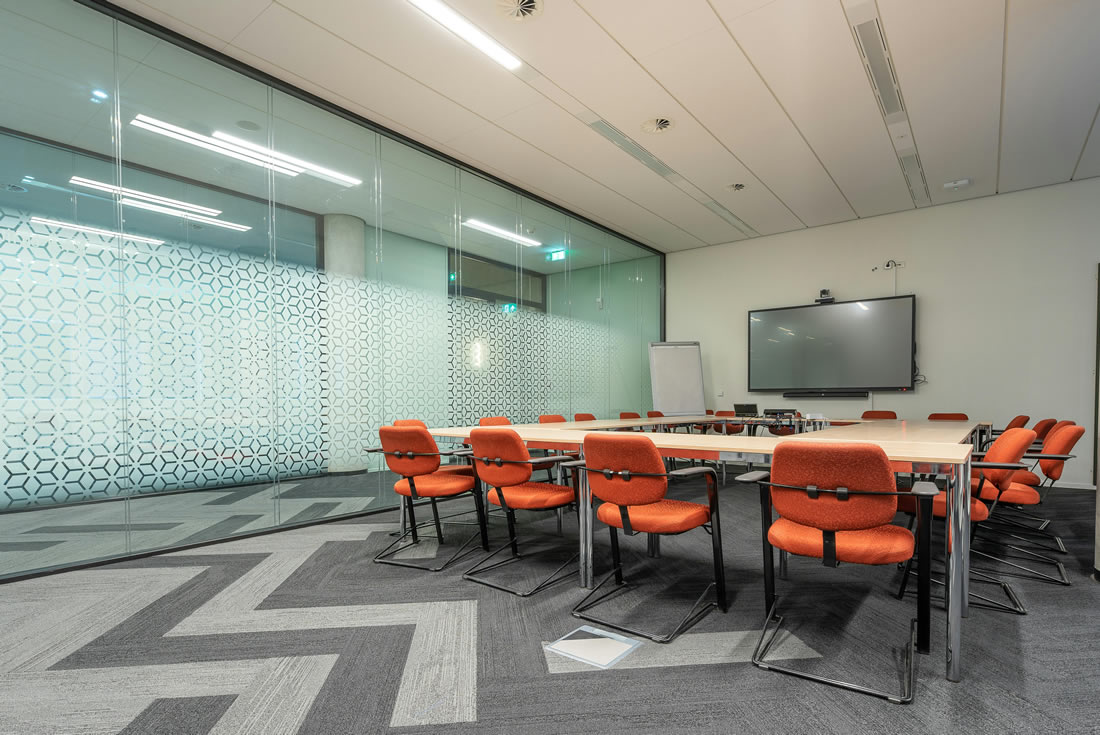
Meeting rooms should drive revenue—so why do so many sit empty, double-booked, or poorly managed?
Walk through almost any flexible workspace and you’ll probably notice the same thing happening.
The meeting room calendar looks busy. Rooms appear fully booked. Yet somehow, a client still struggles to find available space, members complain about access, and staff are manually chasing bookings, changes, and invoices behind the scenes.
Then there are the empty rooms.
A booking sits on the calendar for two hours, but nobody turns up. A large boardroom gets reserved for a one-person Teams call. Catering charges are forgotten. A last-minute room extension never makes it onto the invoice.
These small issues rarely feel urgent in the moment, but together, they quietly chip away at revenue and create unnecessary operational friction.
According to workplace analytics research, nearly 29% of booked meeting rooms go unused, often because cancelled meetings never get removed from calendars or rooms are booked “just in case.” At the same time, demand for Meeting Rooms continues to grow as hybrid working becomes more structured and businesses rely on flexible space for collaboration.
For operators, this creates a challenge: meeting rooms are one of the most valuable assets in a building, yet they are often one of the hardest spaces to manage efficiently.
At UltraSoftBIS Cloud, we regularly see operators focus heavily on occupancy, memberships, and desk sales while overlooking how much revenue can be gained (or lost) through meeting room performance.
The issue is rarely demand. More often, it comes down to visibility, consistency, and how bookings are managed operationally.
Why meeting rooms matter more than operators think
Meeting rooms have quietly become one of the strongest revenue opportunities in a flexible workspace.
They support hybrid teams coming together for project work. They attract enterprise clients needing private collaboration space. They bring in external bookings from local businesses and create opportunities for additional services such as catering, technology packages, and day access.
Unlike desks or offices that often operate on fixed monthly agreements, meeting rooms generate shorter-term, high-frequency revenue.
That flexibility can work in an operator’s favour—if it is properly managed.
The challenge is that many operators still treat meeting rooms as secondary to office occupancy. Rooms are booked reactively, pricing varies, and tracking usage becomes difficult as operations grow.
Meanwhile, workplace demand is shifting. Hybrid working has concentrated in-office collaboration into fewer days of the week, particularly Tuesday through Thursday, increasing pressure on shared spaces. Research from workplace platforms suggests meeting room demand has increased by more than 20% year-on-year in some hybrid environments.
When operators don’t have clear visibility into bookings and utilisation, it becomes harder to understand what is actually performing.
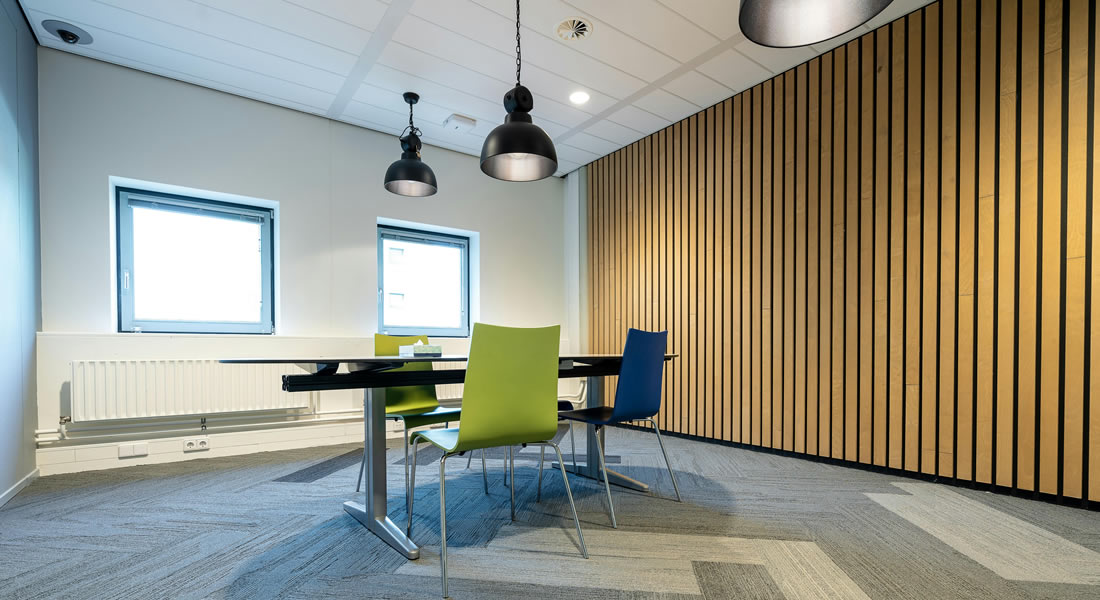
Where revenue quietly slips away
The biggest issue with meeting room performance is that losses often happen in small, everyday moments.
Ghost bookings and empty rooms
Most operators know the frustration.
The calendar says fully booked, but when you walk past the room, it is empty.
Sometimes a client cancels and forgets to release the booking. Other times, recurring reservations stay in place long after they stop being needed.
The result? Genuine customers struggle to book space, while unused rooms quietly sit idle.
This creates an artificial shortage where rooms appear busy on paper but underperform in reality.
Missed charges and manual admin
This is where things get expensive.
Many operators still manage room bookings through disconnected systems, spreadsheets, or manual updates from reception teams.
A room gets extended by an hour, but the invoice never changes.
A customer orders refreshments that are forgotten at billing.
AV equipment is used, but charges never get added.
An external booking happens over email and gets lost in the process.
For operators managing service operations workspace, these missed details add up surprisingly fast.
It is rarely one big financial loss. It is dozens of small gaps every week.
Poor visibility across locations
The challenge grows even faster for multi-site operators.
Which meeting rooms are generating the most revenue?
What times are busiest?
Which rooms sit underused?
Where are cancellations highest?
Without clear reporting, decision-making becomes reactive.
For businesses using a cloud operations workspace approach, visibility across locations matters. Operators need to see performance in real time rather than relying on fragmented reports or manual spreadsheets at the end of the month.
Why “adding more meeting rooms” usually isn’t the answer
When demand increases, the instinct is often to create more space.
But in many cases, more rooms are not the real solution.
The issue is usually utilisation.
A 12-person boardroom booked for one person creates frustration for teams who genuinely need collaborative space. Large rooms may stay reserved for recurring meetings that no longer justify the size or frequency.
Before investing in additional space, operators should ask a few important questions:
● Are rooms genuinely full—or just booked?
● Which room types are most popular?
● What percentage of bookings turn into actual usage?
● Are recurring reservations blocking availability?
● Are ad-hoc charges being captured properly?
Very often, operators discover they already have enough capacity—they simply are not using it efficiently.
What smarter operators are doing differently
The strongest operators are taking a much more structured approach to meeting room management.
Instead of treating bookings as standalone admin tasks, they connect them to wider workspace operations.
That starts with real-time booking visibility.
When availability updates instantly, teams avoid double-bookings and empty rooms become easier to spot.
Automated billing also removes one of the biggest revenue leaks. Charges for room bookings, catering, technology, or late extensions can flow directly into invoices without manual follow-up.
Better reporting creates stronger operational decisions too.
Operators can track:
● peak booking periods
● cancellation patterns
● most profitable room types
● underperforming spaces
● customer booking behaviour
At UltraSoftBIS Cloud, operators use one integrated system to manage meeting rooms, customer accounts, bookings, invoicing, and reporting in real time. Rather than chasing admin, teams gain a clearer picture of room profitability and workspace performance overall.
That visibility becomes especially valuable as businesses grow.
Meeting rooms may be small spaces, but they carry a big operational impact
Meeting rooms rarely take up the largest footprint in a building, but they often carry a disproportionate amount of operational value.
They support collaboration, improve member experience, attract enterprise demand, and generate valuable short-term revenue.
Yet when bookings go unmanaged, charges are missed, or availability becomes difficult to track, those opportunities start slipping away.
Operators do not necessarily need more meeting rooms.
In many cases, they simply need better visibility into how their existing spaces are being used.
Want better visibility into how your meeting rooms are performing?
UltraSoftBIS Cloud helps flexible workspace operators manage bookings, automate invoicing, capture ad-hoc charges, and improve reporting across memberships, offices, and Meeting Rooms—all in one place.
Book a free demo today and see how smarter workspace management can improve operations and revenue.